The Find
This one came early in my jazz vinyl journey, in four U-Haul boxes from a downsizing auction in Brooklyn. Two hundred and eighty-three records, almost every one stamped on the back, upper right corner, in neat blue ink: the name Cumberbatch and a Brooklyn address. My wife and I started calling it the Cumberbatch Collection before we’d finished unpacking. It has been giving ever since: one family’s listening, from 1957 into the 1980s, filed away with care and then passed on.
I didn’t know this album when I pulled it from the box. I knew the names on it. Parker, Gillespie, Powell, Mingus, Roach. You don’t need to know the record to know that lineup.
It’s the 1973 Prestige double album, released under a title nobody has ever argued with: The Greatest Jazz Concert Ever. Sides one and two are the quintet; sides three and four, the piano trio set from the same night. A seventies reissue of a record that was already twenty years old and already a legend.
The title is a big claim. The more interesting story is how close the whole thing came to not existing at all.
The Moment
A society with a plan
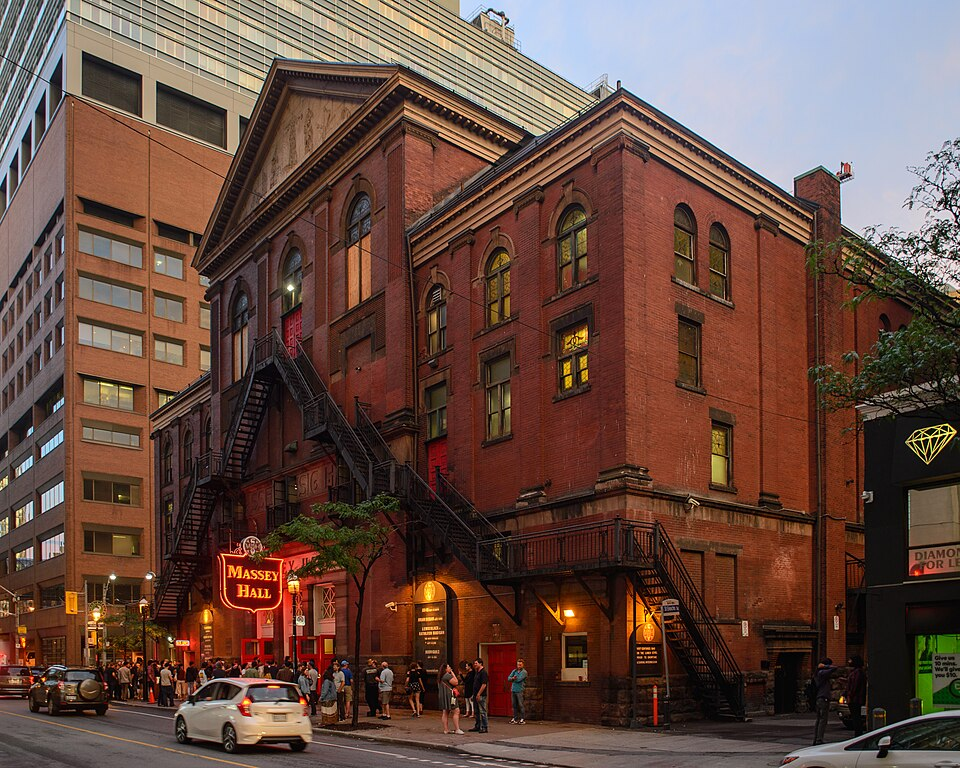
In 1953 the Toronto New Jazz Society was a handful of young enthusiasts, led by Dick Wattam, who wanted to bring modern jazz to their city. Their first concert, with Lennie Tristano and Lee Konitz, had lost money. For the second, they aimed higher: the founders of bebop, together, in Massey Hall, the biggest room in town.
They got them. Charlie Parker on alto. Dizzy Gillespie on trumpet. Bud Powell on piano (Tristano, considered first, suggested him). Charles Mingus on bass. Max Roach on drums. The date was Friday, 15 May.
The fight
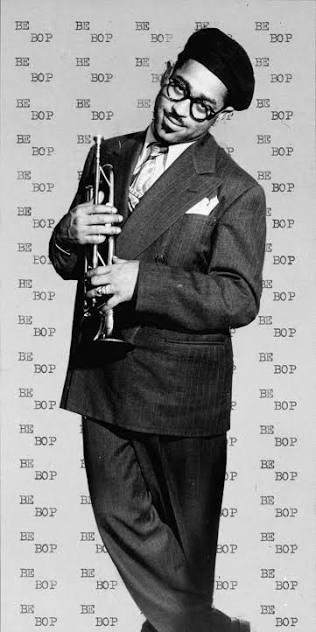
The same night, in Chicago, Rocky Marciano defended his heavyweight title against Jersey Joe Walcott, and it was on television. Toronto stayed home. Massey Hall was, by most accounts, about half full. The fight itself lasted one round: Marciano knocked Walcott out in the first.
The society couldn’t cover the fees. The musicians were paid with cheques that bounced. Parker, the story goes, was the only one who managed to cash his; Gillespie said later that he didn’t see his money for years.
Charlie Chan
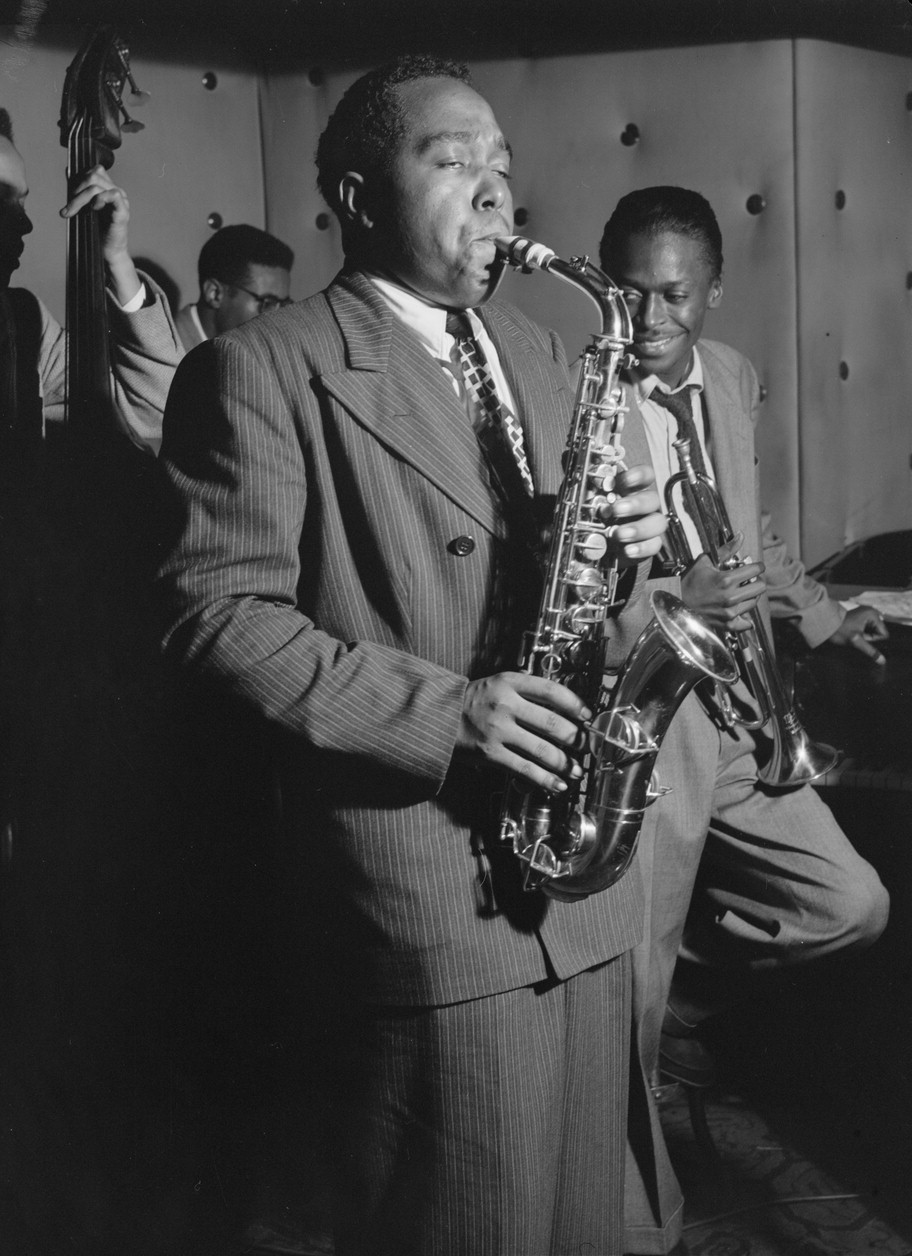
Parker was under contract to another label, so when the record came out he couldn’t be named. The sleeve credits “Charlie Chan” on alto: a fictional detective, and a nod to his partner, Chan Parker. He played that night on a Grafton, a plastic saxophone. Less than two years later he was dead, and this became the last recording of Parker and Gillespie together, the partnership that built bebop.
The Record
The missing bass
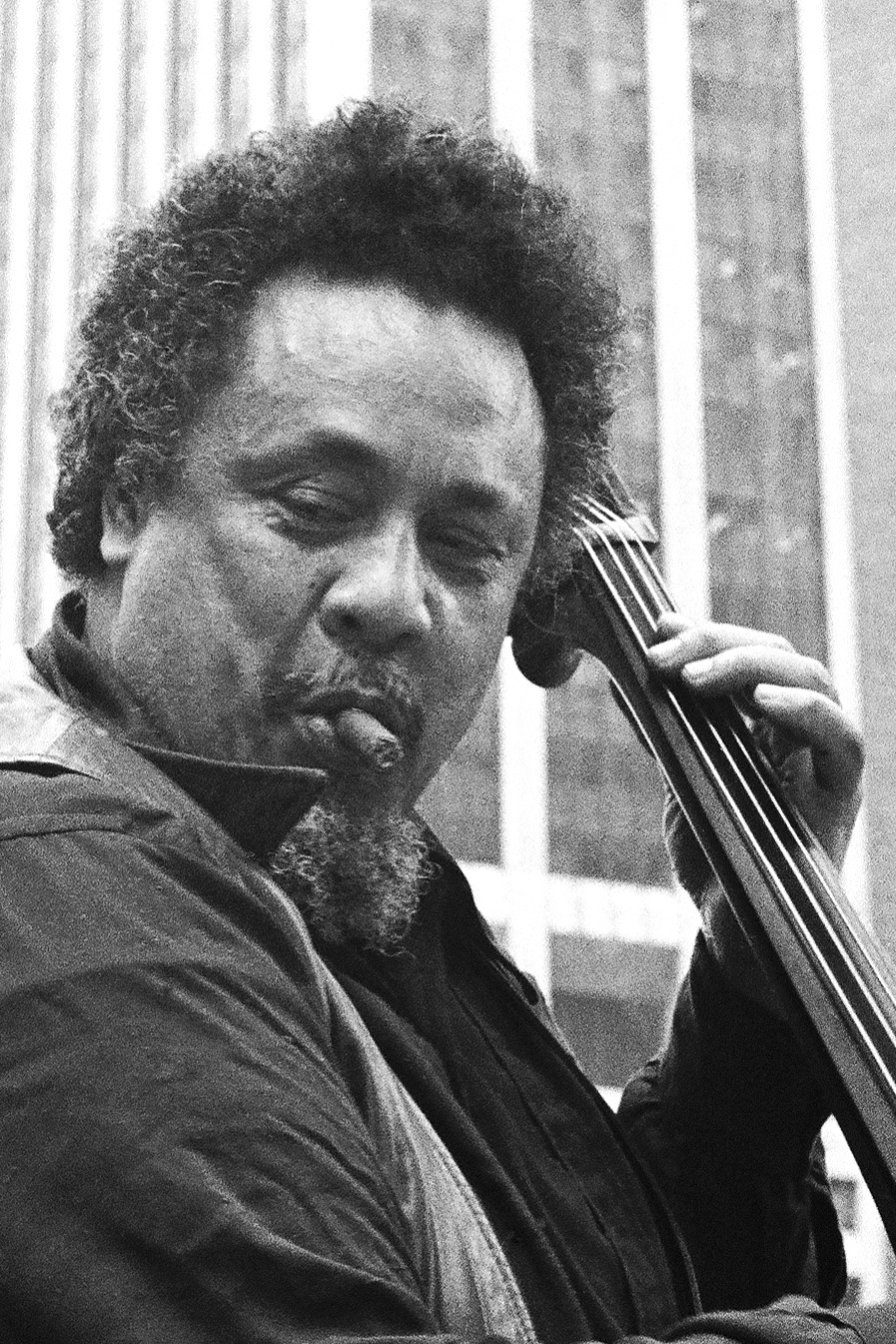
The society taped the concert, and the tape had a problem: you could barely hear the bass. Mingus, who had co-founded his own label, Debut, with Max Roach a year earlier, took the tapes to New York and fixed it himself. He overdubbed his bass lines onto the quintet tracks and re-recorded his solo on “All the Things You Are”. Debut released the result in December 1953 as three ten-inch LPs: two of the quintet, one of the trio.
That is the version that became the classic, and it is what you hear on the Prestige set. It also makes Jazz at Massey Hall one of the first great live albums to be quietly repaired in the studio. Seventy years on, people still argue about it. Some hear Mingus rescuing a broken recording. Others hear a bassist making sure he wasn’t left out of history.
The music
None of that would matter if the playing weren’t there, and it is. Six tunes: “Perdido”, “Salt Peanuts”, “All the Things You Are” into “52nd Street Theme”, “Wee”, Tadd Dameron’s “Hot House” and Gillespie’s “A Night in Tunisia”. It’s bebop as its inventors played it live: loose, fast and competitive, five soloists who had spent a decade learning each other’s moves. Roach holds the whole thing together, and Powell gets his own record’s worth of the night in the trio set.
It isn’t polished, and it was never meant to be. That’s the point.
The Resonance
The concert that couldn’t pay its musicians ended up in the Grammy Hall of Fame (1995), in NPR’s Basic Jazz Record Library and in the core collection of the Penguin Guide to Jazz. “The greatest jazz concert ever” stuck because it describes something that could only happen once: the five people who invented a music, on one stage, recorded by a fan club.
It’s also a reminder of how jazz history actually gets made. Not in a planned summit with good microphones, but by a group of enthusiasts with a tape machine, a bad night for ticket sales, and a bassist with his own record label and strong opinions.
Closing
A fan club taped it. A bassist fixed it. A family in Brooklyn stamped their name on it in blue ink and kept it for decades, long after they’d stopped buying records. Records like this don’t last because they’re perfect. They last because someone keeps passing them on.
Marciano’s fight lasted one round. This one is still going.
Which pressing?
This is a 1953 amateur recording, so no edition will make it sound like a studio date. The choice is really about which version of the concert you want.
- Hot House: The Complete Jazz at Massey Hall Recordings (Craft, 2023, 3LP). The one to get. Restored and remastered by Paul Blakemore, with lacquers cut by Kevin Gray. It’s the only vinyl with the concert as played, without Mingus’s overdubs, alongside the familiar overdubbed version and the trio set. About $100.
- The Greatest Jazz Concert Ever (Prestige, 1973, 2LP). The copy here: the overdubbed quintet plus the trio, and easy to find cheaply.
- Skip the budget European reissues with no mastering credits. There are a lot of them.